The Creative Process
How we move from blank page to finished work — and why each stage matters.
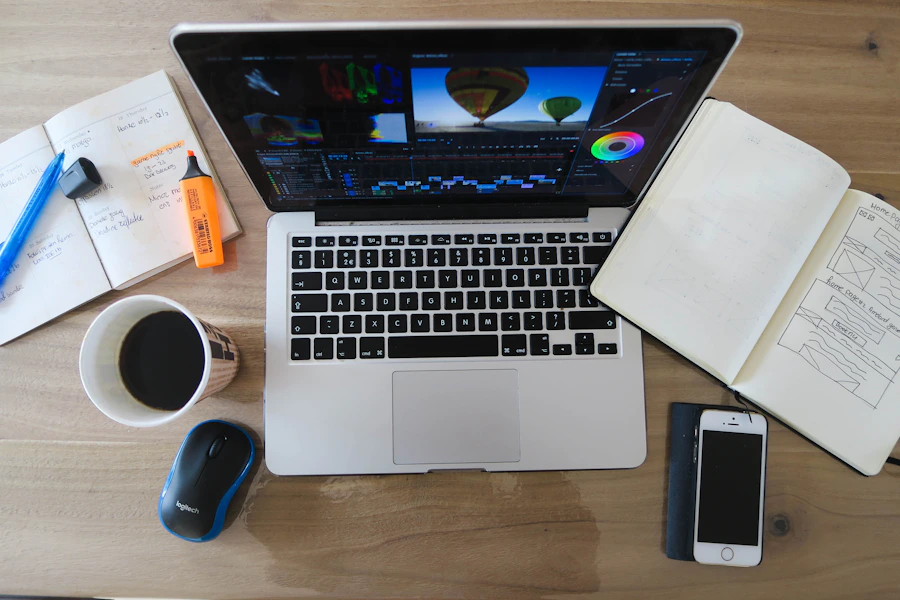
People often ask what working with us looks like. The honest answer is that no two projects follow the same path — but there's a rhythm we return to every time. It keeps us grounded when creative energy wants to run in ten directions at once.
Discovery
Every project begins with listening. We schedule an unstructured conversation — no forms, no questionnaires — where we simply ask "what are you trying to do, and why does it matter?" The answers rarely come out neat and tidy, and that's exactly the point. The messy, honest version is where insight lives.
We follow this with independent research: competitor audits, audience analysis, visual benchmarking. By the time we pick up a pencil, we understand the landscape well enough to know what's been done and where the opportunity sits.
Exploration
This is the wide-open phase. We sketch prolifically, test type pairings, photograph textures, tear pages out of books. Nothing is precious yet. The goal is volume — to generate enough raw material that the strongest ideas emerge through natural selection rather than forced consensus.
Clients don't see this stage. It's internal, and it's messy. We protect it deliberately because creative leaps need room to fail. Sharing half-baked concepts too early invites feedback that kills potential before it has a chance to mature.
Refinement
From the chaos of exploration, two or three directions always crystallize. We develop these into presentation-ready concepts and share them with the client in a focused session. We talk through the rationale behind each direction, the system logic, and how it would flex across applications.
Feedback at this point is surgical: we're not asking "do you like it?" but "does this serve the strategy?" That distinction matters. Personal taste is fickle; strategic alignment is measurable.
Execution
Once a direction is selected, we move into production. This is where craft takes center stage. Kerning is adjusted pixel by pixel. Color values are tested under different lighting conditions. Print substrates are evaluated by touch. The details accumulate until the work feels complete rather than just finished.
We deliver comprehensive asset packages, usage guidelines, and — when relevant — templates that empower our clients to extend the system independently. Our job isn't to create dependency; it's to build something you can own fully.
The long view
Good design compounds over time. The brand we build today should still be working hard five, ten, even twenty years from now. That's why we prioritize clarity over cleverness and substance over trend. Trends expire. A clear idea expressed with conviction doesn't.
If that philosophy resonates with you, we should talk. Reach out anytime.